Road to Jukai How to Play
Pick up the fare, watch the road, and decide what the back seat is allowed to ask of you.
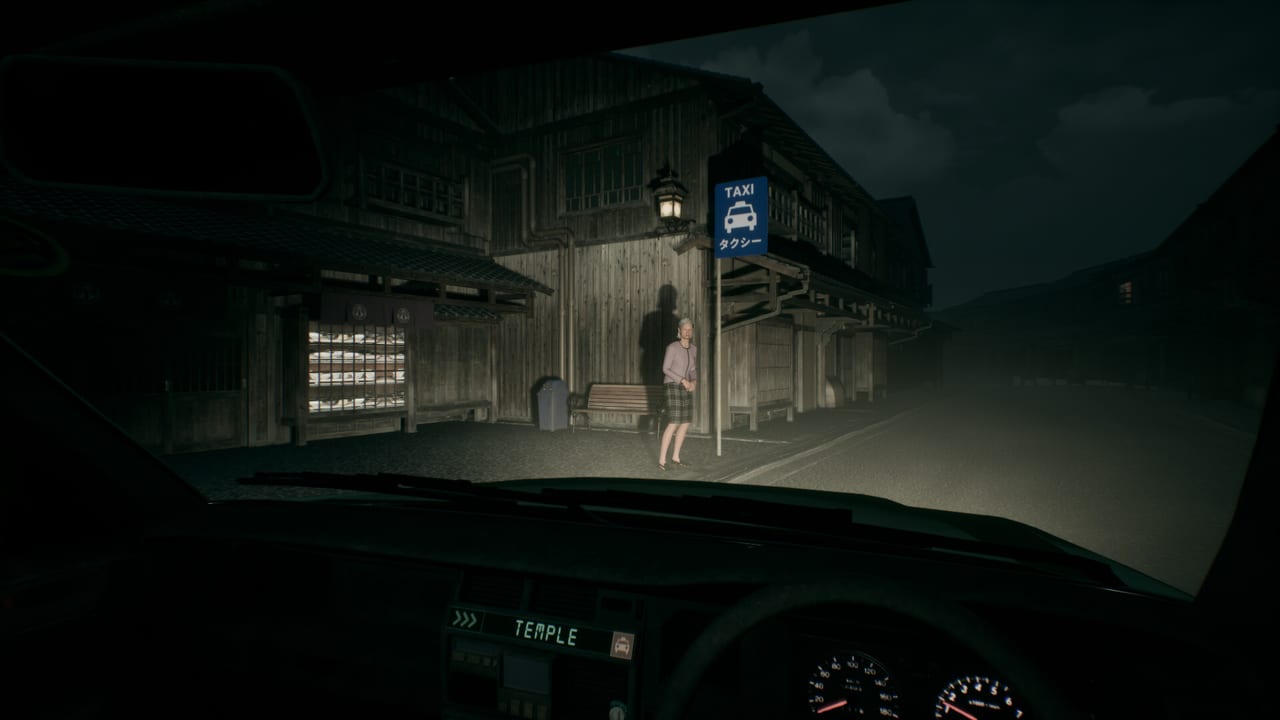
This is the practical how to play guide for Road to Jukai: what you do from moment to moment once a night shift begins. The game is a single-player, first-person psychological horror title about driving a taxi between small Japanese towns beside a vast haunted forest. You pick up odd passengers, follow routes that may brush the Jukai, respond to unsettling requests, and gather meaning from details that would be background noise in a normal driving game. For campaign framing across evenings, see Six Nights. For setup and wishlist context, see Getting Started.
The core loop
- Begin the night — you are on the clock as a night-shift driver. The town roads and forest edges are your workplace.
- Pick up a passenger — someone needs a ride after sunset. Entry into the cabin is the first storytelling beat; posture, silence, and small talk all count.
- Learn the destination or request — some fares want a simple drop-off. Others want detours, waits, or actions that feel wrong before they sound supernatural.
- Drive the route — manage speed, lanes, and visibility while fog and darkness limit information. Mechanical focus tips live on Controls.
- Fulfill, refuse, or negotiate through behavior — your compliance is part of the horror language. Not every request is a tutorial checkbox.
- Observe clues — roadside shrines, repeated landmarks, radio fragments, passenger contradictions, and environmental changes may matter later.
- End the fare and carry the residue — the next pickup assumes you remember the last one, even if the game never opens a quest log.
That loop repeats inside a night and across the six-night structure. Mastery is not fastest route times; mastery is noticing what the job is doing to you.
Pickups: treat the curb like a stage
When someone flags you down, slow your brain as well as the car. Ask silently: do they seem rushed, calm, overly polite, or oddly specific about the route? Public marketing stresses that not every passenger is what they seem. You do not need a bestiary of names—use the archetype lens on Passenger Types. Keep the camera steady while they enter. A messy look input during boarding can make you miss the only visual tell you get.
Forest routes: the Jukai as pressure, not a racetrack
The Jukai—literally a sea of trees—is folklore-heavy woodland surrounding the towns you service. Trailer language and store copy lean on the idea that some fares lead toward places locals whisper about. Driving toward the forest is rarely framed as a triumph. Keep your eyes on asphalt markings and reflective posts when visibility drops. If performance stutters in fog, adjust settings using advice on System Requirements so hitching does not fake a scare.
Unsettling requests: play the decision, not the meta guide
Passengers may ask you to stop in unsafe-feeling places, ignore ordinary driving sense, or participate in rituals of politeness that hide something sharper. Strange Requests covers mindset: when to comply, when to observe, and how to stay immersed without treating every choice like an achievement hunt. This how-to page only needs one rule: your discomfort is data. If a request feels wrong, the game is probably working.
Clue watching without spoiling yourself
Clues in narrative horror are often quiet. Examples of what to notice—without claiming specific spoilers—include mismatched destinations, passengers who know more about you than they should, repeated forest imagery, and towns that feel emptier than a working night economy should. Keep a private note if you enjoy piecing theories. Avoid unmarked public spoilers, especially if your knowledge comes from a playtest build that might differ from the 2027 release.
What success looks like
You are successful when you finish nights with a coherent emotional throughline: you understood the job, you felt the forest, and you can describe how passengers changed your sense of the route. You are not failing because you missed a hidden item category this wiki refuses to invent. Road to Jukai is closer to guided dread than to an open-world checklist.
Session best practices
- Warm up on empty road feel for one minute before accepting tension-heavy fares.
- Use headphones; cabin audio is part of the interface.
- Pause if a mature theme hits too hard—store materials warn about depictions of suicide.
- Do not grind the same fare for “optimal” outcomes unless the game clearly presents branching tools.
- After playing, read Updates only if you want marketing context; jump to Passengers if you want to reflect on encounter design.
How trailers map to play
The TinyBuild Connect trailer and earlier Silent Road films show the fantasy: night cabin, lonely roads, passenger unease, forest pressure. They are mood contracts, not button tutorials. Watch them for tone, then return to mechanical pages when you need inputs and loop clarity. A fuller rundown sits on Trailers.
Where to go next
- New to the premise? Getting Started
- Need Steam access? Join the Playtest
- Inputs feel wrong? Controls
- Want pacing context? Six Nights
- Catalog of how-tos? Guides Hub
How to play Road to Jukai is how to stay present on a haunted commute: pick up the passenger, drive the route you are given, answer the request as best you can, and let the Jukai teach you why some night shifts should have ended earlier.
Frequently Asked Questions
Quick answers for night-shift drivers preparing for Jukai.
What is the main gameplay loop?
Pick up passengers, drive night routes near the forest, respond to their requests, and watch for clues that reframe later fares.
Is there combat?
Public positioning emphasizes psychological horror driving and passenger encounters, not an action-combat fantasy.
Do I need a guide for every passenger?
No. Use archetype advice on the Passengers pages and trust observation. Avoid spoiler sheets that invent names.
How long is a night?
Lengths can vary by build and player pace. The campaign is framed as six nights rather than a single continuous escape.
What if driving feels too difficult in fog?
Lower look sensitivity, ease turns, adjust graphics for stable frame times, and reread the Controls guide.