Road to Jukai Six Nights, Non-Linear Dread
How the campaign paces forest roads, passengers, and escalating unease.
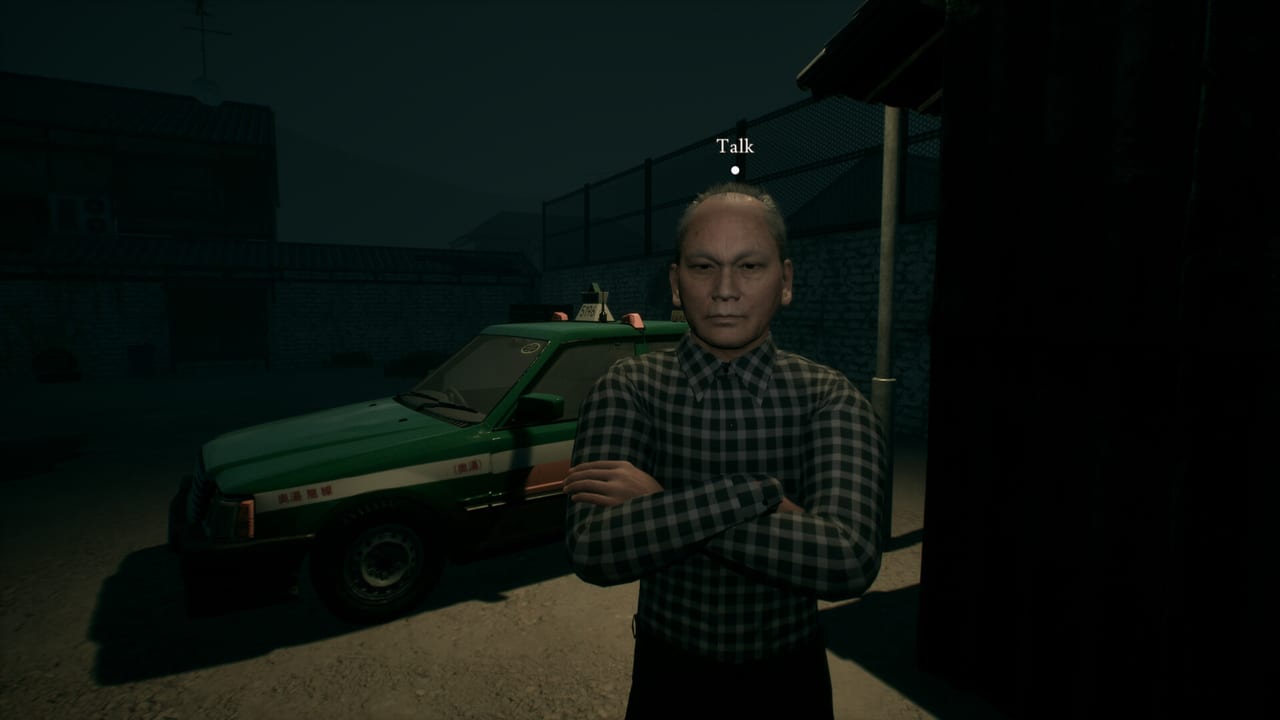
Road to Jukai is publicly described as a first-person psychological horror game that unfolds across six nights. You are a night-shift taxi driver moving between small Japanese towns that live in the shadow of a vast haunted forest—the Jukai. This page explains what a six-night structure usually means for pacing, how non-linear storytelling can work inside that frame, and how tension is likely to escalate without listing late-game reveals or inventing passenger identities. If you want mechanical loop detail instead, switch to How to Play. If you are brand new, skim Getting Started first.
Why “six nights” matters
A night-based campaign gives the designers natural chapter breaks. Each evening can introduce a new emotional temperature while reusing the same occupational ritual: clock in, take fares, drive routes that brush the forest, and clock out with more questions than answers. Unlike a single continuous escape sequence, nights let dread accumulate in your memory between sessions. The road looks familiar; the meaning of the road does not.
Six is a small enough number to feel finite and large enough to let motifs recur. Expect repetition with variation—same job, different weight. That structure also suits wishlist marketing: trailers can show “a night” without exposing the full arc, which is why the Trailers page and this structure guide complement each other.
Non-linear storytelling without a flowchart spoiler
Official materials emphasize a non-linear story approach. In practice, that can mean passenger encounters, route choices, or information order that is not a single rigid corridor from Night 1 cutscene to Night 6 finale. You might understand a roadside detail only after a later fare reframes it. You might meet archetypal passengers whose requests echo each other across evenings. Non-linear does not automatically mean open-world freedom; it means the narrative can braid timelines, perspectives, or cause-and-effect in ways a simple mission list cannot.
For players, the practical advice is simple: pay attention even when a fare seems small. Clues may be environmental, verbal, or procedural—how someone enters the car, where they ask to go, what they refuse to say. The Passengers Hub and Strange Requests pages discuss how to handle those moments without turning this page into a spoiler sheet.
Escalation patterns you can anticipate
Horror paced across nights often climbs in layers:
- Unease — something is off, but you can still pretend it is a normal shift.
- Pattern recognition — routes, requests, or forest imagery start to rhyme.
- Agency stress — complying with a passenger and refusing them both feel costly.
- World pressure — the towns and the Jukai feel less like backdrop and more like participants.
- Commitment — later nights assume you already carry earlier nights in your head.
You should not expect a comedy difficulty curve or a score attack. Escalation is emotional and atmospheric. Jump scares, if present at all, are less important than the question the game keeps asking: what does it mean to keep driving?
What this page will not do
We will not invent named passengers, list night-by-night plot beats, or pretend a playtest slice equals the shipping six-night campaign. Pre-release builds may show fewer nights or reshuffled encounters. When Endflame publishes clearer chapter structure, this guide will tighten; until then, treat six nights as the public framing device, not a datamined checklist.
How to play the structure well
- Finish a night when you can; stopping mid-fare can blur what you learned.
- Note recurring images in a private spoiler file if you enjoy theory crafting.
- Resist the urge to fill gaps with unverified rumors from comment sections.
- Revisit Controls if mechanical frustration is stealing focus from story tells.
- Use Join the Playtest only when you accept that early builds can misrepresent final pacing.
Connecting structure to the rest of the wiki
The rename from Silent Road to Road to Jukai underlined the forest’s folkloric weight—see Silent Road Rename. The Jukai is not just scenery; it is why the six-night frame matters. Release timing still points at 2027 with a playtest available now—details on Release Date. Tools like System Requirements matter because foggy late nights are exactly when performance dips break immersion.
Spoiler-safe discussion etiquette
When you talk about nights online, label progress vaguely (“early nights,” “mid campaign”) instead of dumping encounter order. This wiki’s passenger pages stay on archetypes for the same reason. Structure guides should help you orient, not race toward the ending.
Six nights is a promise of a complete shift rotation: enough time for folklore, passengers, and the sea of trees to change how you hear a simple turn signal. Drive them in order when the game asks you to, notice when the order bends, and let the non-linear design do its work. For the moment-to-moment loop inside any given night, continue with How to Play and return to the Guides Hub whenever you need the full how-to list.
Frequently Asked Questions
Quick answers for night-shift drivers preparing for Jukai.
How many nights are in Road to Jukai?
Public materials frame the experience around six nights. Exact length of each night can vary by build and player pace.
What does non-linear mean here?
Story information and encounters may not unfold like a single rigid checklist. Pay attention to recurring details across fares and evenings.
Will this page spoil the ending?
No. It covers pacing and structure only—no late-game beats or invented character arcs.
Can a playtest include all six nights?
Not necessarily. Playtests are often slices. Treat incomplete night counts as temporary unless Endflame says otherwise.
Where do I learn what to do during a night?
Read How to Play for the passenger-route-request loop, and Passengers for archetype guidance.