Road to Jukai The Jukai Setting
Sea of trees, town lights, and why the forest sits at the center of the horror.
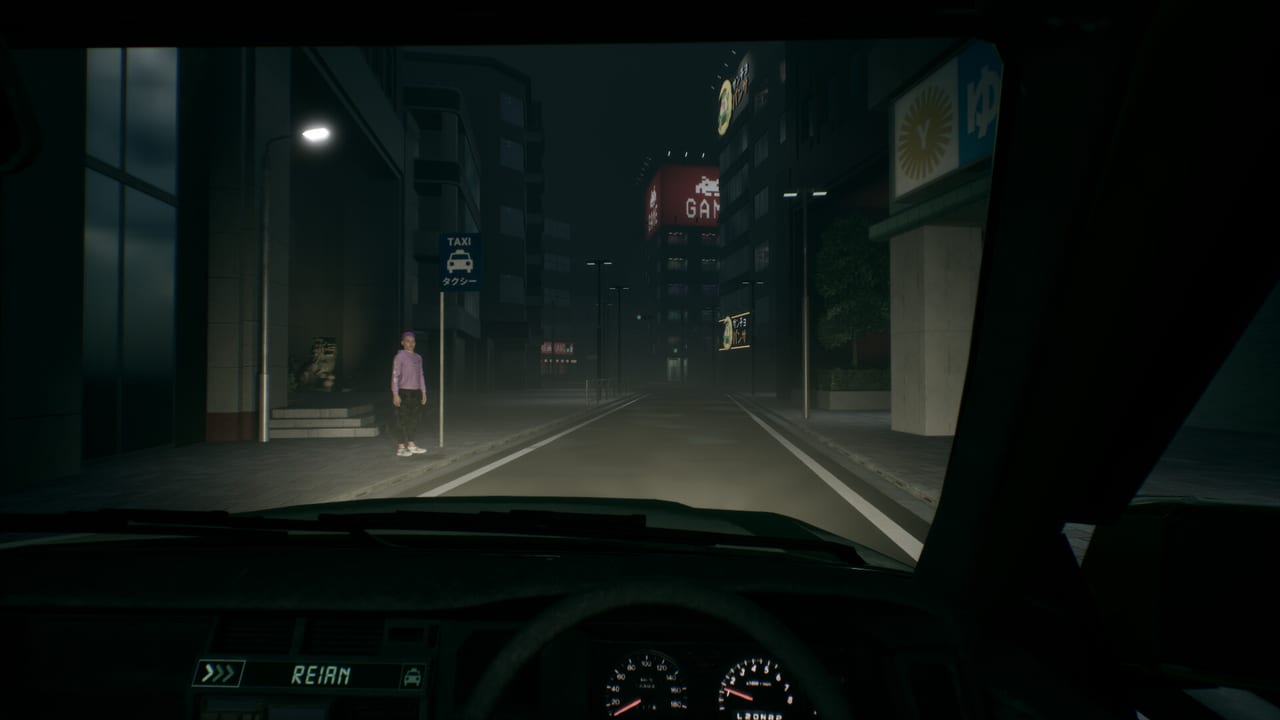
Road to Jukai is not only a night-shift taxi fantasy. The title itself points at a place: the Jukai, often translated as a “sea of trees”—a vast woodland that presses against small Japanese towns and turns ordinary fares into folklore-adjacent dread. This guide explains the public setting in spoiler-light terms: what Endflame and tinyBuild have signaled about geography and atmosphere, how Japanese horror traditions inform the mood without requiring a lecture, and how the forest framing changed when the project moved from Silent Road to Road to Jukai. For campaign pacing across evenings, pair this page with Six Nights. For the rename timeline, see Silent Road Rename.
Towns on the edge of the woodland
Public materials place you as a driver working routes between modest towns rather than a neon megacity. Expect residential quiet, convenience-store glow, lonely apartments, and roads that leave streetlight coverage faster than you want. The occupational premise keeps you returning to asphalt; the horror premise keeps the forest visible in peripheral vision, roadside gaps, and passenger directions that tug away from safe drop-offs. The setting is intimate, not open-world tourist photography. You learn the map by repeating nights, not by unlocking a fog-of-war checkbox.
That intimacy matters. Psychological horror thrives when the world feels small enough to remember. A repeated intersection, a familiar gas-station silhouette, or a stretch of guardrail beside black trees can carry more weight than a new biome every ten minutes. The Guides Hub exists to help you orient inside that loop; this page explains why the loop is scary even when nothing jumps yet.
What “Jukai” signals without spoiling plot
In Japanese cultural conversation, jukai evokes dense woodland imagery and, in some real-world contexts, forests burdened with heavy folklore and tragic reputation. Endflame’s marketing does not ask you to treat the game as a documentary, and this wiki will not sensationalize real tragedy. The useful player takeaway is simpler: naming the game after the sea of trees tells you the destination pressure is mythic. The road is how you earn a living; the Jukai is why the living feels cursed.
Steam already flags mature depictions of suicide. A forest-forward title should make you read those advisories carefully—start with Content Warnings if you are unsure whether to play yet. Fiction can borrow atmospheric grammar from folklore without turning your session into homework. You do not need to memorize shrine classifications to understand that passengers, roads, and trees are in conversation.
Japanese horror atmosphere, trailer-readable
Trailers and showcase footage lean on restraint: limited cabin space, slow attention shifts, uncanny politeness, and landscapes that feel emptied rather than overcrowded with monsters. Press reactions have called the project “deeply unsettling” (Game Rant) and noted that it understands what fans of Japanese horror look for (ComicBook). Those lines are tone checks, not walkthroughs. Atmosphere here is built from occupational ritual—pick up, drive, listen—plus environmental pressure from fog, night grade, and forest walls that make escape feel socially awkward before it feels supernatural.
If you want moving-picture context under the older title branding, the reveal trailer embedded on this page (Silent Road Official Reveal Trailer via IGN, ID 1u47wGIVGnY) shows how the project sold mood before the Jukai name took over marketing. Compare it later with Road to Jukai-branded films on the Trailers roundup.
Setting versus systems
The setting answers where dread lives. Systems pages answer what you do:
- How to Play — pickups, routes, requests, clue watching.
- Controls — keeping the cabin view steady on foggy bends.
- Passengers Hub — archetypes and unsettling asks.
- Roadside Stops — leaving the vehicle when a fare needs help outside the cabin.
Do not confuse a folklore-flavored backdrop with a checklist of collectible lore tablets. Endflame has not published an encyclopedic bestiary for this wiki to scrape. Until official art books or developer commentaries expand the atlas, treat the Jukai as a present absence: always nearby, rarely explained in neat paragraphs, constantly renegotiated by whoever sits behind you.
Non-linear nights inside a fixed place
The campaign is framed across six nights with non-linear storytelling. A fixed regional setting helps that structure. Recurring roads let information reorder itself in your head. A passenger on Night Two can reframe a quiet street you already drove. Non-linear does not require a continent-sized map; it requires a place dense enough for motifs to echo. That is why the sea of trees is a structural tool as much as a visual one.
Playtest builds may show only a slice of geography. Early showcase demos—including BitSummit-era Silent Road hands-on moments summarized on BitSummit Hands-On—should be read as previews of texture, not final cartography for 2027.
How to talk about the setting in community spaces
Prefer place language over spoiler dumps: “forest-edge towns,” “cabin routes,” “sea of trees pressure.” Avoid inventing shrine names, cryptid taxonomies, or fake historical essays. Point curious players to Official Links for studio posts and to this wiki’s Updates Hub for rename and trailer context. If someone only knows the old title, send them Silent Road Rename so they stop searching for a second game that does not exist.
Practical prep tied to place
- Dim the room; the grade is built for darkness.
- Use headphones so exterior forest beds and cabin whispers separate cleanly.
- Keep brightness readable without flattening shadows—see comfort notes on Controls.
- Wishlist and follow Steam via the Wishlist Guide so setting-focused trailers do not pass you by.
- If mature forest-associated themes are personally difficult, wait and reread Content Warnings before a long session.
Related reading
- Guides Hub — full how-to index.
- Six Nights — pacing across evenings.
- Passengers Hub — who shares the cabin.
- Silent Road Rename — why the forest entered the title.
- Release Date — 2027 window and playtest status.
The asphalt keeps the meter honest. The Jukai keeps the meter from feeling safe. Learn the towns as routines, treat the woodland as pressure rather than a theme-park zone, and let public folklore context deepen the mood without turning your first nights into a spoiler race.
Frequently Asked Questions
Quick answers for night-shift drivers preparing for Jukai.
What does Jukai mean in the game’s title?
It commonly translates as a sea of trees—a dense woodland idea that Endflame places at the center of the horror beside small Japanese towns.
Is the game set in a real documented location?
Marketing describes fictionalized towns edged by a haunted forest. Treat it as horror fiction inspired by Japanese atmospheric traditions, not a tour guide.
Does this page spoil the story?
No. It covers public setting and mood only—no late-night plot beats or invented lore dossiers.
Why did Silent Road become Road to Jukai?
The rename emphasized forest folklore and destination pressure. See the Silent Road Rename update for the TinyBuild Connect timeline.
Where should I go after this setting guide?
Read Six Nights for structure, Passengers for cabin encounters, or Content Warnings if you need mature-theme guidance first.