Road to Jukai Passenger Types
Archetypes for the odd fares waiting between town lights and the Jukai.
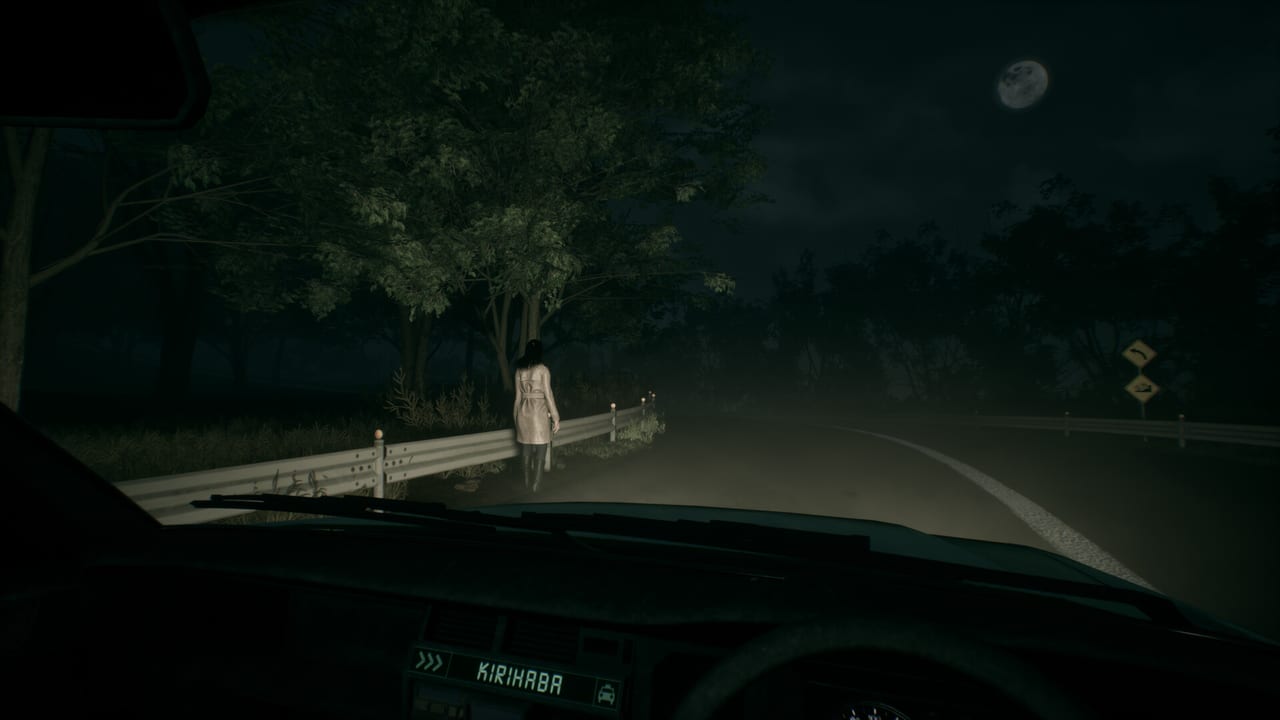
In Road to Jukai, passengers are the primary source of narrative pressure. You are a night-shift taxi driver; they are the reason the meter keeps running when ordinary people would have gone home. This guide describes archetypes inferred from public trailers, store copy, and the game’s stated premise—not a leaked cast list. We will not invent proper names, faction charts, or fake biography pages. Use these types as a reading lens while you play a playtest or wait for the 2027 release.
How to read a passenger in the first thirty seconds
Before dialogue settles, watch the boarding. Do they hesitate at the door? Climb in too quickly? Sit directly behind you or angle toward the window? Trailers lean on cabin intimacy: limited space, mirror glances, and the sense that politeness can be a mask. Keep your look sensitivity controlled—see Controls—so you can check the mirror without swerving into a ditch. Pair visual tells with audio: breath, fabric, a bag that should make noise and does not.
Ask three quiet questions:
- What do they want that a normal taxi could provide?
- What do they want that a normal taxi should refuse?
- What do they already seem to know about this road—or about you?
Those questions matter more than memorizing a wiki table.
Archetype: the ordinary fare that is not
Some passengers present as tired workers, late travelers, or polite locals. The horror move is incremental. Directions sound fine until a landmark feels wrong. Small talk stays small until it references something you have not said aloud. Play these fares straight at first. The How to Play loop still applies: drive, listen, observe. Your job is not to meta-game every polite person as a monster; it is to notice when ordinary scripts break.
Archetype: the insistent navigator
This passenger cares less about conversation and more about the route. They correct turns, demand detours toward the forest edge, or reject safe drop-offs. Insistence can be frantic or eerily calm. Mechanically, give yourself permission to slow down. Rushed compliance is how you miss environmental clues. When requests escalate beyond navigation, switch mental tabs to Strange Requests.
Archetype: the silent weight
Silence is not empty in a cabin. A passenger who refuses small talk forces you to fill the space with road noise and imagination. Watch whether silence feels shy, hostile, ceremonial, or predatory. Do not force chatter if the scene wants quiet; many horror designs punish players who treat NPCs like checklists. Let silence teach you how loud the Jukai already is outside the windows.
Archetype: the rule-giver
Some fares impose conditions: do not look back, do not stop, do not speak, do not take a certain road. Rule-givers create instant tension because taxi work is built on looking, stopping, and confirming. Decide in character. The game’s mature themes—including depictions of suicide flagged on Steam—mean some rules may brush against topics you need to handle carefully in real life. Pause if needed. Fiction is not an emergency, but your wellbeing is.
Archetype: the echo
Across six nights, expect motifs to recur: similar coats, repeated destinations, phrases that rhyme with earlier fares. Echo passengers are less about a single scare and more about pattern recognition. Keep private notes if you enjoy theory crafting. Avoid posting unmarked encounter order that spoils others.
Safety mindset for players
- Remember this is single-player psychological horror, not a social deduction PvP mode.
- You cannot “lose friends” by playing a request differently from a streamer.
- Take breaks between heavy nights; residual dread is part of the design.
- If real-world forest suicide folklore or related themes are triggering, wait for fuller ratings and advisories before diving deep.
- Use official channels on Official Links for support chatter; this fan wiki is not a crisis service.
What we refuse to speculate
We will not publish fake stats, romance routes, or “best passenger” rankings. We will not pretend a playtest cameo equals a final cast. When Endflame or tinyBuild releases dossiers, biographies, or art books, this page can grow. Until then, archetypes keep the Passengers Hub honest.
Connect the types to play
Warm up with Getting Started if you still need premise. Practice the loop in How to Play. When a fare’s ask turns sharp, open Strange Requests. For marketing context on why the forest matters to these encounters, read Silent Road Rename.
Passenger types are lenses, not cages. Let each boarding rewrite the lens—and keep enough attention on the asphalt that the Jukai does not collect you along with the fare.
Frequently Asked Questions
Quick answers for night-shift drivers preparing for Jukai.
Are these official class names from the game?
No. They are spoiler-light archetypes for discussion and observation, not datamined classes.
Will you add named character pages?
Only when public materials stably support them. We will not invent cast pages from rumors.
How do I handle a scary passenger mechanically?
Keep driving control steady, listen, and use the Strange Requests guide for compliance-versus-observation framing.
Do passengers appear in multiplayer?
Road to Jukai is presented as single-player. These archetypes apply to that solo night shift.
Where should I go after this page?
Read Strange Requests next, then return to the Passengers Hub or How to Play.